The transition toward animal-free science represents one of the most significant ethical and scientific shifts in modern chemical safety and research. As the European Union moves to modernize its regulatory framework, the commitment to phasing out animal testing has evolved from a long-standing ambition into a structured strategic priority. Central to this evolution is the forthcoming EU Roadmap, a comprehensive initiative designed to streamline fragmented efforts and provide a unified direction for the replacement of animal models with innovative, non-animal alternatives.
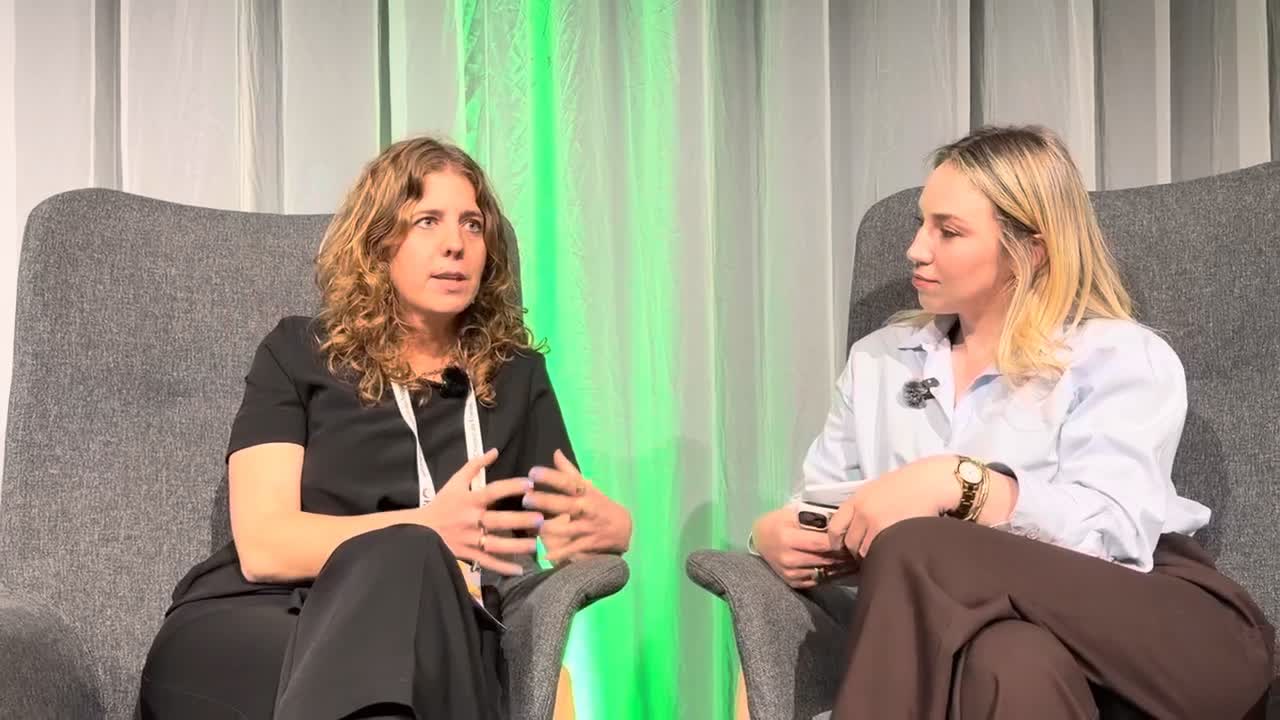
To explore the implications of this regulatory milestone, our journalist Arnola Lilaj spoke with Ms. Julia Pochat, Political Advisor at Eurogroup for Animals. With extensive experience in the EU Chemical Strategy for Sustainability, Ms. Pochat provides valuable insights into the origins of the roadmap, the importance of multi-stakeholder collaboration, and the ongoing efforts to align these advancements with global partners to ensure a cohesive and ethical progress in scientific safety.
1. Could you introduce yourself and the work of Eurogroup for Animals, specifically regarding the "Animals in Science" program?
Eurogroup for Animals is a pan-European organization dedicated to animal protection, representing over 105 member NGOs at the EU level. My work is centered within the "Animals in Science" program, which strives to advance the transition toward animal-free research and testing. As a Chemicals Advisor, I focus exclusively on the EU Chemical Strategy for Sustainability, supporting initiatives that facilitate the phase-out of animal testing in chemical safety assessments. Our presence at this conference is particularly timely given the current momentum surrounding the development of a structured EU roadmap for this transition.
2. The European Commission committed to developing a roadmap to phase out animal testing following a successful European Citizens' Initiative. What is the current status of this roadmap, and why is it considered a pivotal step?
The roadmap originated from a European Citizens' Initiative that gathered over 1.2 million signatures, reflecting a clear public demand to end animal testing. While the Commission announced its commitment in 2023, the release of the roadmap—initially expected sooner—is now anticipated by mid-May.
This roadmap is arguably the most significant step taken toward our goals because it addresses the current fragmentation in the field. Although the principle of "animal testing as a last resort" is already enshrined in legislation (such as Article 25 of the REACH Regulation), practical implementation has remained dispersed. The roadmap will serve as a non-legislative communication that streamlines actions across the EU, providing a cohesive sense of direction for all stakeholders to move together toward a fully animal-free scientific framework.
3. How are these European efforts being coordinated with global partners, and what role does collaboration play in ensuring the success of this transition?
Scientific and regulatory engagement is already well-underway at the global level. Organizations like the OECD and agencies such as ECHA (European Chemicals Agency) maintain constant dialogue with partners in the United States, Canada, and beyond. We hope the roadmap will further align these "dots," coordinating efforts with international bodies to ensure that scientific advancements are recognized and implemented globally.
Collaboration is the cornerstone of our strategy. For instance, we recently convened a roundtable with 40 key stakeholders—including Commission representatives, regulatory agencies, industry leaders, and researchers—to discuss the essential components of the roadmap. While the EU can lead this initiative, true systemic change requires alignment with other major markets. By pooling our resources, prioritizing efforts, and coordinating funding, we can collectively drive the transition toward a more ethical and scientifically robust safety system.
The video clip for our exclusive interview can be accessed here.




 Request a Demo