
 Request a Demo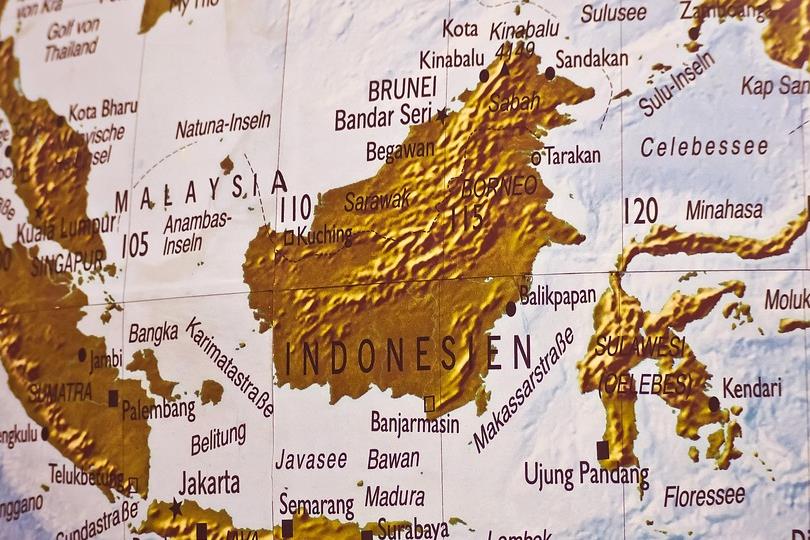
The “Government Regulation of the Republic of Indonesia No.74/2001 on Hazardous and Toxic Substances Management” is the main regulation that manages and controls hazardous chemicals in Indonesia. Hazardous and toxic substances are called “Bahan Berbahaya dan Beracun (B3)” in the Indonesian language, which has earned Regulation No.74 the rather apt designation “B3 regulation”. According to Chemlinked sources in Indonesia, Regulation No.74 is under revision and the updated regulation will be released soon.
B3 regulation covers most activities relating to hazardous substances, including manufacture, transport, distribution, storage, use and discharge. There are three lists of chemicals managed by this regulation: List 1 contains 209 substances that are allowed to be used; List 2 contains 10 substances that are banned from being used; and List 3 contains 45 substances that can be used with restrictions. In addition to the substances in the 3 lists, B3 regulation also covers hazardous substances with following 15 hazard classifications:
Explosive;
Oxidizing;
Extremely flammable;
Highly flammable;
Flammable;
Extremely toxic;
Highly toxic;
Moderately toxic;
Harmful;
Corrosive;
Irritant;
Dangerous to the environment;
Carcinogenic;
Teratogenic;
Mutagenic
These classifications are relatively vague and don’t have a specific inclusionary criteria, therefore there is a lot of room for interpretation and loopholes. As a result, one of the major contents of the revision to B3 regulation is to introduce and implement the Globally Harmonized System of Classification and Labelling of Chemicals (GHS). The lists of hazardous substances will be updated, too.
The revision requires risk analysis reports for hazardous substances that are introduced into the market for the first time. These substances cannot be manufactured or imported by industry unless they have been assessed and received prior authorization from competent authorities.
The following chemicals don’t fall under the management of B3 regulation:
Radioactive materials;
Explosives;
Mine products and oil and natural gas and its processed products;
Foods, beverages and other food additives;
Household health and cosmetics supplies;
Pharmaceutical prepared materials;
Narcotics, psychotropic and their precursor and other addictive substances;
Chemical weapons and biological weapons.
The release and implementation date of the updated regulation hasn’t been specified. ChemLinked will pay close attention to it and keep our readers posted.
Please see Indonesia’s Country Page for more information of Indonesia’s chemical management regulations.