Request a Demo
According to the article 37 of Food Safety Law, related safety assessment materials for new food-related products, such as new food varieties, new food raw materials, and new food additives, should be submitted to NHFPC (National Health and Family Planning Commission) for further evaluation. NHFPC (former MOH) is responsible for pre-market registration of food-related products (e.g. food contact materials, new food contact additives, etc.) and formulating and updating national food safety standards for those products.
This means that if a new food related substance was neither listed in the national standard (such as resin list in GB4806.6-2016, permitted additives list for food contact materials in GB 9685-2016) nor was it approved by NHFPC in official announcement, it should apply for new substance registration to NHFPC.
This paper mainly summarizes and analyzes 2017 food contact materials (thereinafter FCM) new substance registration in different stages, including application acceptance, public consultation, and granting approval. The paper also probes into approval, product usage, product type and applicants of these new FCM varieties.
1. New FCM substances accepted by NHFPC in 2017
In 2017, a total of 9 applications for new FCM new substances were accepted by the NHFPC. Two of them were open to public consultation on May 2 and September 11, 2017 respectively, accounting for 22% of the total 9 applications. An additional 7 products were in the stage of supplementing materials, accounting for 78% of the total.
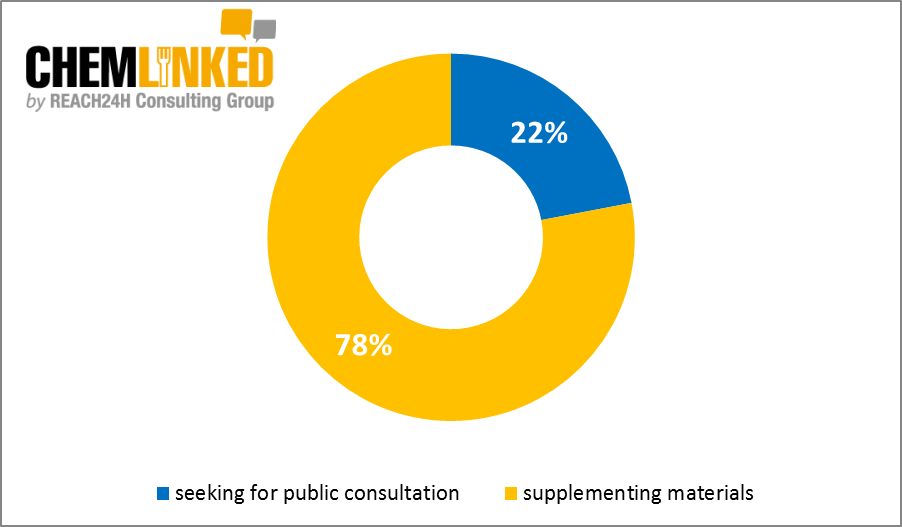
Figure 1 New FCM substances whose applications are accepted by NHFPC in 2017
In terms of category, 5 of those 9 new varieties are new additives used in FCM (hereinafter "new additives"), accounting for 56%. 3 substances were new resin used in FCM (hereinafter "new resins"), accounting for 33%. 1 case is for expanding the application scope or dosage of an FCM additive (hereinafter “application scope or dosage expansion), accounted for 11%.
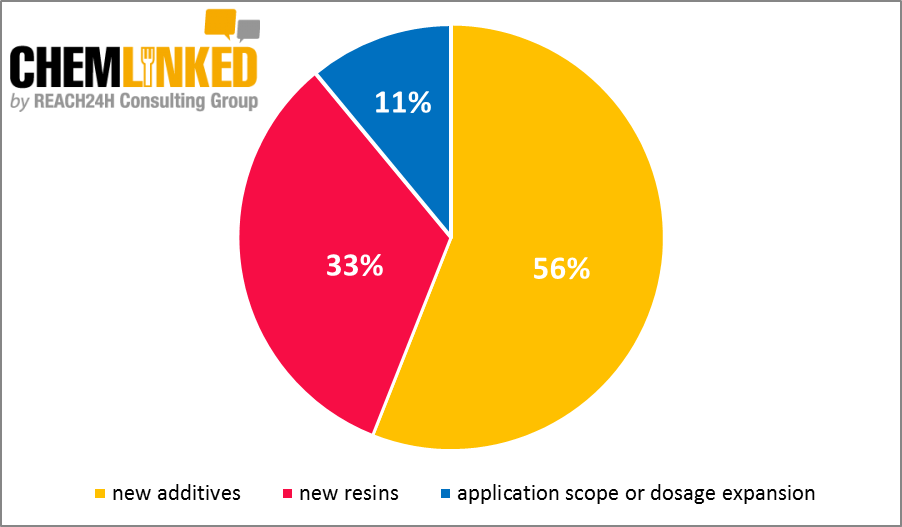
Figure 2 Categories of those new varieties
Regarding the application scope, 3 products (accounting for 33% of the 9 accepted applications) were applied in the production of coatings; 3 (accounting for 33% of the 9 accepted application) were used as new resin; 2 products (accounting for 22 %) were subject to the production of paper and paper board, and 1 product (accounting for 11%) was used as additives in all plastic materials.
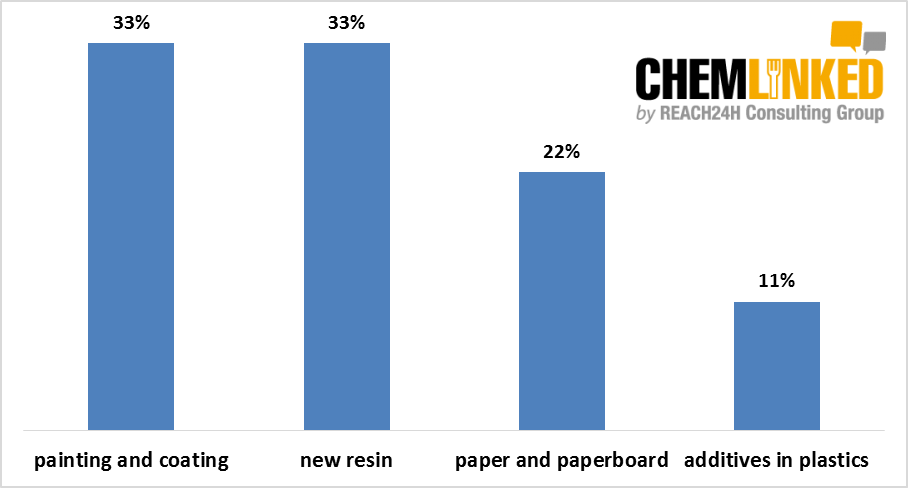
Figure 3 Application scopes of new FCM substances whose application are accepted in 2017
Regarding applicants, 8 applications were submitted by overseas enterprises, accounting for 89% of total applications. While only 1 application was submitted by domestic enterprise, accounting for 11%. Referring to previous data, we can find that overseas enterprises account for the majority in new substance registration, accounting for 75%. It shows overseas enterprises pay more attention to new variety registration.
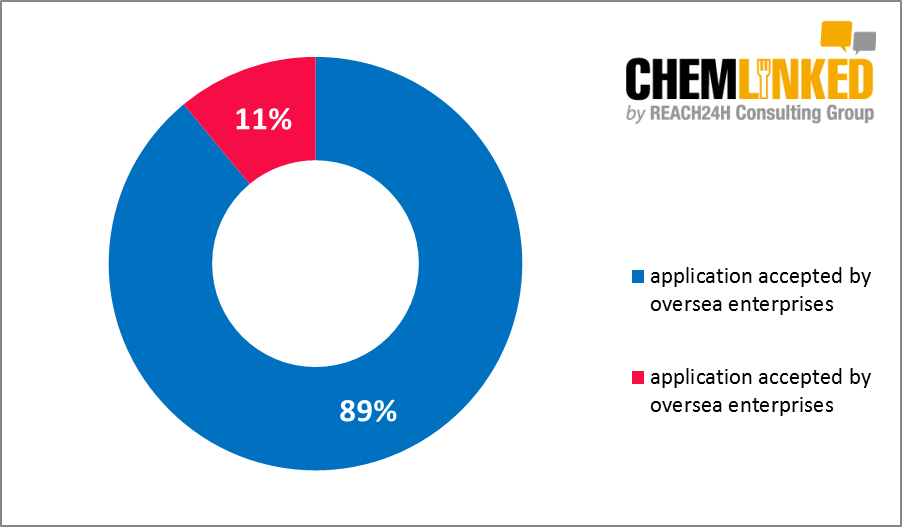
Figure 4 Applicants submitting new products registration in 2017
2. New FCM substances opened for public consultation in 2017
Altogether 26 new FCM varieties were opened for public feedback in 2017. 14 of them were new additives used in FCM, 7 were new resins, and the other 5 substances expanded their application scope or dosage.
After accepting materials, it takes as short as 3 months or as long as 46 months (average 15.5) to announce the opening of the public consultation. 13 new substances of these 26 were granted NHFPC approval on Oct 31, 2017 and Nov 27, 2017 respectively. For the 13 substances approved in 2017, the average period from accepting materials to granting approval was 15.5 months.
3. New FCM substances approved in 2017
In 2017 NHFPC released 3 announcements, detailing the approval of 20 new substances used in food contact materials. 10 are new FCM additives, 4 are new resins, 1 is new variety of FCM, and 5 substances expanded their application scope or dosage.
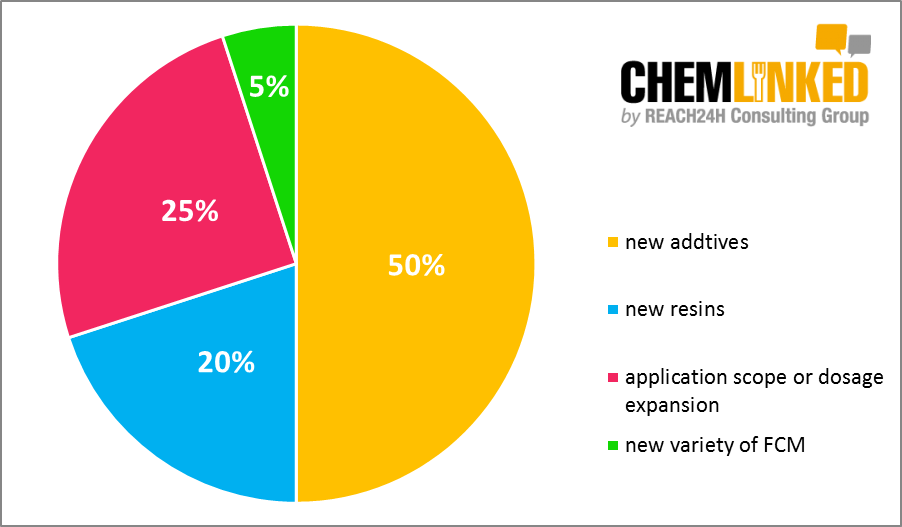
Figure 5 New FCM substances approved in 2017
As shown in Figure 6, among 20 new substances approved in 2017, 6 substances completed new variety registration within 1.5 years, accounting for 30%. 6 substances completed the entire process in 1.5 to 2 years, 3 substances completed it in 2-3 years, and 5 substances took over 3 years to obtain approval. The entire registration period of those 20 substances ranged from 10 months to 55.5 months, with an average of 25.6 months.
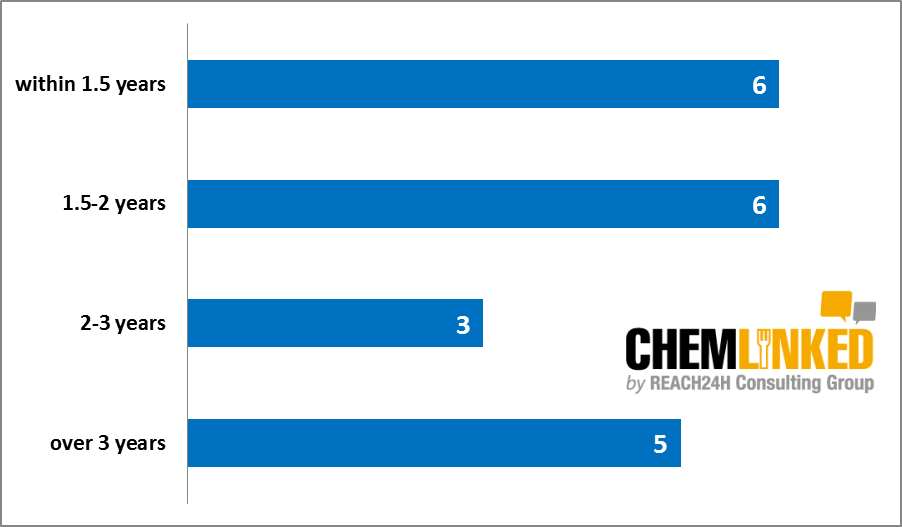
Figure 6 Registration duration for new substances of FCM approved in 2017
Summary
Compared with registration in 2016, the acceptance and approval of new substances used in FCM was reduced in 2017, while more substances were opened for public feedback. There is a close correlation between the number of substances subject to consultation in a given year and the number of substances approved in the following year which gives rise to a fairly predictable registration cycle. For instance, only 6 new products were opened for public feedback in 2016 and predictably we can see a low number of approved substances in 2017. 53 new national standards were released in 2016 and entered into force in 2017. Under the new regulatory framework, China set higher requirements on FCM, and further strengthens administrative inspection, evaluation and approval of new substances.