Request a Demo
On March 18, 2020, the Chinese Ministry of Ecology and Environment (MEE) published the official version of the General Principles of Technical Guidelines for Eco-environmental Health Risk Assessment [1]. A public consultation was held in April last year to solicit comments.
With an ultimate aim of protecting the public health, the General Principles is positioned as a master plan guiding the institutional framework for eco-environmental health risk assessment. Following the principle of ensuring “scientific, tiered, discreet, and transparent” practices, it provides general principles, procedures, content, methodology and technical requirements for eco-environmental health risk assessment.
According to the document, the procedure of eco-environmental health risk assessment majorly contains six steps. See the graph below.
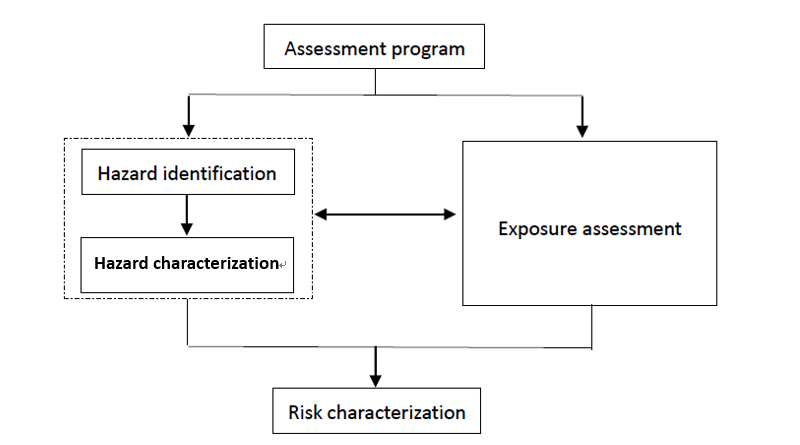
Specifically, hazard identification and hazard characterization (in place of “dose-response assessment” in the consultation paper) together constitute the process of hazard assessment. The toxicological effects and their mechanisms identified in the process can inform the construction of exposure scenarios in exposure assessment. Meanwhile, the information determined in exposure assessment, including pathway, duration, frequency and level of exposure, will serve as a basis for identifying endpoints of major concern in hazard assessment.
The General Principles provides detailed requirements for risk assessors in performing every one of the six phases in eco-environmental health risk assessment. For example, in developing an assessment Principles, risk assessors should first identify several factors, including the objective, scope, category, content of assessment, methodology for collecting data, etc.