Request a Demo
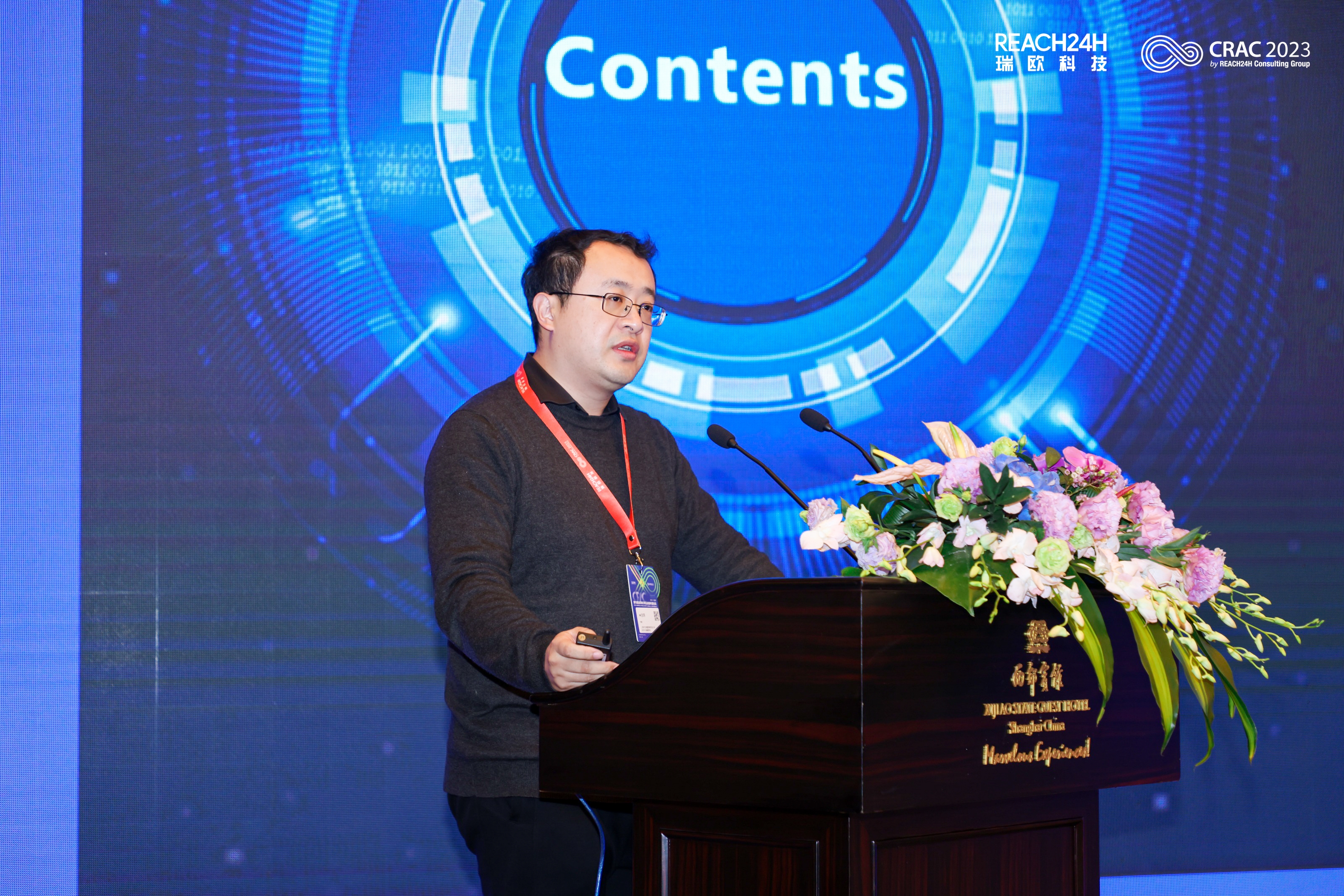
Speaking at the 15th Chemical Regulatory Annual Conference (CRAC) on November 17, 2023, Mr. Xu Wei from the Shanghai Emergency Management Bureau (SEMB) introduced Shanghai's localized pilot plan for the Hazchem traceability code system. The pilot plan aims to advance the implementation of the "One enterprise, One chemical product, One QR code" policy in Shanghai. Notably, Shanghai's pilot plan differs from the Hazchem QR code application piloted in Guangdong by requiring additional information, such as product batch numbers, for generating the Hazchem traceability code. This traceability code facilitates the tracking of Hazchem information and enables monitoring of Hazchem business operations throughout the whole supply chain. Highlights are summarized below.
What is the Hazchem Traceability Code?
Mr. Xu explained that the Hazchem traceability code contains information regarding the production, import, transportation, storage, and use of Hazchem. It enables the digital supervision of Hazchem across multiple departments.
Enterprises are required to provide additional information via the Shanghai Hazchem traceability code management system to generate the corresponding Hazchem traceability code for each batch of Hazchem. This is done after obtaining the Hazchem safety information code automatically generated via the Hazardous Chemical Registration Comprehensive Service System launched by the NRCC, after completing the Hazchem registration. The additional information includes:
Product name;
Product batch number;
Product ID number;
Quantities of product shipment and receipt;
Downstream user information;
Electronic waybill information, etc.
The product batch number used doesn't necessarily have to correspond to the actual production or shipment batches of the company. Virtual batches created by enterprises to ensure compliance are also accepted, as the focus is on effectively distinguishing each batch for better supervision. Enterprises have the option to continue using their existing internal product information codes while affixing a Hazchem traceability code specifically for Shanghai's pilot plan to the minimum outer package.
Different stakeholders scanning the Hazchem traceability code will be presented with varying information pages. Specifically,
Downstream users scanning the Haczhem traceability code via WeChat or Alipay will see the same information page as scanning the Hazchem safe information code generated through the Hazardous Chemical Registration Comprehensive Service System launched by the NRCC.
Registered enterprises scanning the Haczhem traceability code using their internal management APP will receive internal product management information.
Officials scanning the Haczhem traceability code using the official APP developed by the MEM will be provided with registered Hazchem information and certain Hazchem business operations information.
Regarding concerns about information protection, Mr. Xu assured that the management information is transmitted unidirectionally from the enterprise side to the SEMB for supervision. The submitted information will be protected according to stringent information management standards and won't be disclosed to others.
Innovation
Mr. Xu highlighted that the SEMB will collaborate with Shanghai Customs to develop a WHITELIST for the customs clearance of imported Hazchem based on the Hazchem traceability code system. Currently, Shanghai Customs implements two inspection procedures for all imported Hazchem (with exemptions for small quantities) at the Shanghai port:
Unpack the cargo to check the import quantity and SDS; and
Sample the imported Hazchem for inspection, which is done for the first time each year.
This inspection and customs clearance process is time-consuming. As part of Shanghai's pilot plan, importers who coordinate with overseas suppliers to obtain and affix Hazchem traceability codes before road transport from the ports may be included in the WHITELIST. Being listed in the WHITELIST grants importers exemption from sample inspection and reduces the proportion of unpacking and inspection, facilitating expedited customs clearance.
Progresses and further trends
Mr. Xu shared the timeline for Shanghai's localized pilot plan to advance the Hazchem traceability code:
By April 30, 2023
The SEMB finished the prior research and determined to pilot the Hazchem traceability code in the Pudong New Area.
By July 31, 2023
The SEMB completed the design of the localized pilot plan for the promotion of “One enterprise, One chemical product, One QR code”, and selected 30 pilot enterprises.
By October 31, 2023
The SEMB developed the online system of the Hazchem traceability code and confirmed its compatibility with each selected pilot enterprise.
By November 30, 2023
The initial plan piloted in the selected 30 enterprises completed. The SEMB will publish online the information and data regarding the initial pilot plan, and initiate a trial run of the cross-authority collaboration mechanism for information intergradation and verification. Local authorities that may be involved in the collaboration include the transport bureau, public security bureau, customs, marine safety administration, etc.
By December 31, 2023
The SEMB will optimize and release the official pilot plan of the Hazchem traceability code system, based on the experience gained from the small-scale trial phase, aiming to promote its citywide implementation in 2024.
By August 31, 2024
The localized supporting standards in this regard are expected to be officially published. They are currently being prepared.
By December 31, 2024
The SEMB will pilot the Hazchem traceability code citywide and require all relevant enterprises in Shanghai to upgrade their internal IT systems to accommodate the Hazchem traceability code, particularly the Hazchem warehouse-in and warehouse-out system.
Furthermore, Mr. Xu mentioned that the SEMB will select a specific group of substances that meet the criteria outlined in Entry 2828 of the Inventory of Hazardous Chemicals and subject them to enhanced management and control based on the Hazchem traceability code.
“Shanghai’s Hazchem traceability code system will serve as the guide to improve the digitalization of Hazchem management nationwide”, said Mr. Xu.