Request a Demo
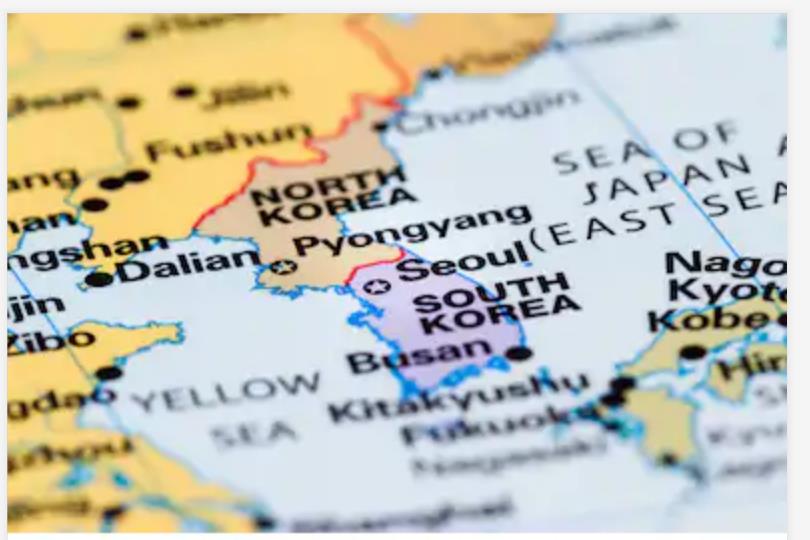
Japan and South Korea have slipped into a trade war over the past few weeks (CL news[1]). Most recently, the Japanese Cabinet convened on Aug 2nd and approved the removal of South Korea from its whitelist of preferential export partners. The order will take effect on Aug 28th, 2019 signifying the escalation of a trade war which is now affecting multiple industries in both countries.
On July 19th, the Deputy Prime Minister of Korea Hong Nam-ki presided over the third Ministerial Meeting on Japan’s Trade Curbs, discussing temporary measures to offset the deleterious effects of Japanese export curbs on Korean companies (MoEF news[2]).
The temporarily measures include both subsidies and incentive schemes:
streamline approvals for the use of substances for R&D and accelerate approvals of new chemical substances;
plan for special longer workhours for companies affected and flexible workhours for R&D workforce
provide financial support for companies affected
There is no definite timeline on when the new measures will be implemented. However, in response to Japan’s action removing South Korea from the whitelist, South Korea will accelerate implementing interagency strategies. In South Korea, new chemical substances are managed under the K-REACH regulation[3]. The Ministry of Environment (MoE) is now working on practical rules to simplify new chemical registration for R&D purposes.
The government will also work on measures to help promote self-sufficiency, reduce reliance on Japan and improve Korea’s industrial competitiveness. These measures will include expedited approval of 2019 supplementary budgets, expanded R&D tax subsidies for material, part and equipment industries, and a 2020 budget proposal favoring R&D of high-tech material, etc.