Request a Demo
On Oct. 30, China National Development and Reform Commission officially passed the Catalogue of Guidance on Industry Structure Adjustment (2019 Version)[1], which serves as a significant reference for the design of fiscal, tax, credit, land, import and export policies and is scheduled to be effective from Jan.1, 2020.
The Catalogue defines and outlines the scope of 3 distinct categories of industry work: encouraged projects, restricted projects, and projects to be eliminated. For the first category, it shall carry out verification or filing in line with relevant regulations. For the restricted category, it is forbidden to construct a new project. Only reform of existing projects and/or upgrade within a certain period of time is allowed. For the last category, investment is prohibited, and the projects shall be eliminated within the prescribed time limit.
According to the Catalogue, for the daily chemical products containing microbeads: the manufacture of such products is banned from December 31, 2020, and the sale is banned from December 31, 2022. However, a lot is riding on the specifics of the regulatory measures introduced by the government, but t is not yet clear how "plastic microbeads" will be defined, what categories of products will be subject to restrictions, how the ban will be implemented, and what punishments will be handed down to violators.
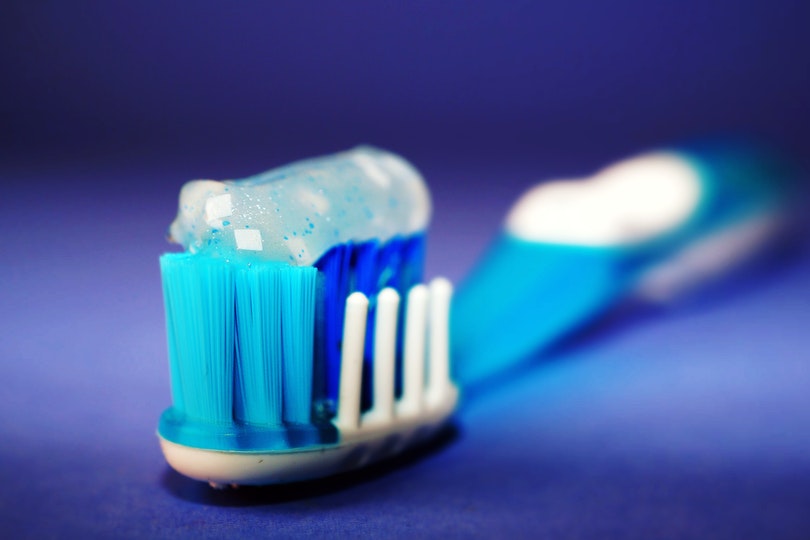
Microbeads are tiny plastic particles less than 5mm across and have been widely used in rinse-off personal care products such as toothpaste, facial scrubs, shampoos, soaps, bath wash, etc. Microbeads are both persistent and bioaccumulative within the ecosystem and pose a significant problem for the marine environment and associated food chains. Many countries around the world have banned or are seeking to ban microbeads in daily chemical products, as shown in the below table.
| Country/area | The current situation of microbeads supervision |
| America [2] | For rinse-off cosmetics that contain intentionally-added plastic microbeads:
|
For cosmetics that are over-the-counter drugs:
| |
| Canada | Toiletries containing plastic microbeads, such as shower gels, toothpaste, and facial scrubs:
|
Natural health products and OTC medicines:
| |
| The UK | Cosmetics and personal care products containing plastic beads, such as facial scrub, shower gel, toothpaste, etc.
|
| Korea | The ban on the use of microbeads in cosmetics began on July 1, 2017, the sales ban began on July 1, 2018. |
| New Zealand | Banned product scope:
|
| China (Taiwan) | Banned product scope:
|
| EU | The European Parliament has approved a law banning a wide range of single-use plastic items, such as straws, cotton buds, and cutlery, by 2021 [3]. But currently, there is no regional law banning microbeads in the EU. It is reported that the European Chemicals Agency will use its chemical laws to ban the use of microbeads in products such as cosmetics, paints and medical devices from 2020, as a part of the EU's plastic strategy. |
Experts from China Association of Fragrance Flavor and Cosmetic Industries are now in talks with the National Development and Reform Commission in an attempt to lobby government and shape the direction of the microbead ban. After these talks conclude, the specifics of China's microbead ban will come into better focus. For more information, please visit the Cosmetic [4] portal of ChemLinked.