Request a Demo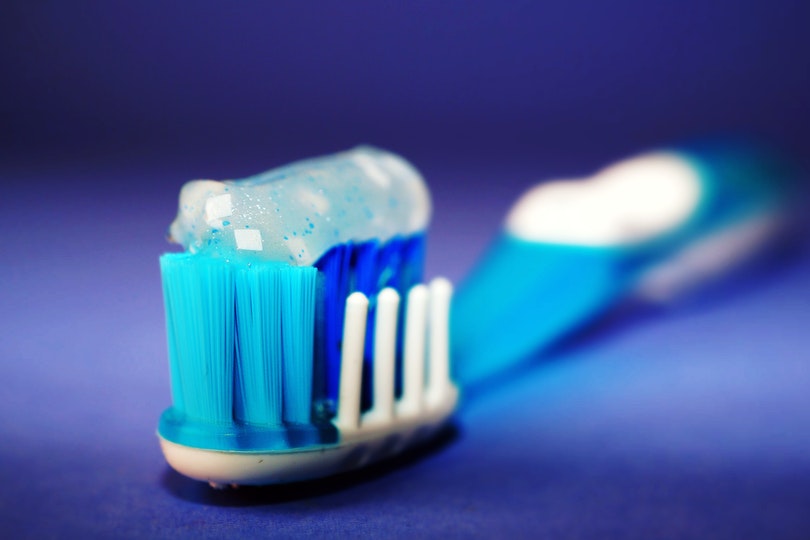
On April 10, China National Development and Reform Commission (NDRC) issued a Catalogue of Plastic Products Prohibited or Restricted from Production, Sale, and Use (Draft) for public consultation, further specifying the specifics of China’s pending microbead ban [1].
As per the draft, "daily chemical products containing plastic microbeads" shall refer to "rinse-off cosmetics, toothpaste, and toothpowder with intentionally-added solid plastic particles that are less than 5 mm millimeters in size and are used for scrubbing, exfoliating, cleansing, etc.” The “rinse-off cosmetics” include shower gel, cleanser, hand sanitizer, soap, shaving foam, scrub, shampoo, hair conditioner, and cleansing water/oil.
The consultation period is from April 10, 2020, to April 19, 2020. Any suggestions or comments can be sent back via the online feedback form on NDRC’s official website.
Chronology of China’s Microbead Ban
On October 30, 2019, China NDRC released the Catalogue of Guidance on Industry Structure Adjustment (2019 Version) [2]. On January 19, 2020, NDRC and the Chinese Ministry of Ecology and Environment (MEE) jointly published the “Opinions on Further Strengthening the Cleanup of Plastic Pollution," laying out a plan to ban the manufacture of daily chemical products containing plastic microbeads by the end of 2020 and ban the sale of such products by the end of 2022.
The new rule has garnered widespread attention in the cosmetics industry, particularly for makeup segments. However, the finer points of the microbeads ban remain unclear, leaving stakeholders with open questions like how “plastic microbeads” will be defined, how to detect microbeads in cosmetics, and what categories of products will be subject to restrictions.
In March of this year, China made a step forward towards the microbead ban with the issuance of the consultation draft GB/T XXXXX-XXXX Determination of Plastic Microbeads in Cosmetics, which clarifies the definition, testing standards and methods of plastic microbeads in cosmetics [3]. Once implemented, the new standard will provide reliable technical support for the ban.
In a move to promote the implementation of the "Opinions on Further Strengthening the Cleanup of Plastic Pollution" and refine enforcement standards, the NDRC published a draft Catalogue of Plastic Products Prohibited or Restricted from Production, Sale and Use to solicit public comments on April 10, 2020. It's the first time China refined the scope of cosmetics categories subject to the microbead ban.
Negligible Impact on Industry
The application of plastic microbeads in cosmetics is mainly divided into two categories.
Used as abrasives in rinse-off cosmetics such as facial cleansers, shower gels and toothpaste for exfoliating, smoothing and cleansing the skin; or
Used as bulking agents or film-forming agents in leave-on products such as sunscreens and makeups (foundations, lipsticks) to improve the skin texture, enhance the tinting strength of pigments or increase the adhesion of the powder.
Since China’s proposed legislation is targeting only rinse-off products, it will not have much impact on makeup categories. Regarding the rinse-off personal care sector, the microbead ban is also not a big challenge given that cosmetic enterprises have already had a long time to prepare and have already been phasing out the use of microbeads and finding viable alternatives.