Request a Demo
From 7 June 2018 onwards, New Zealand will prohibit the production and sale of some products containing microbeads. A fine up to $100,000 will be imposed on violators caught knowingly breaking the rules.
Many large retailers have already phased out products containing plastic microbeads. The following products containing plastic microbeads are banned:
Banned | ‘wash-off’ face, hand and body cleansers, scrubs and exfoliators |
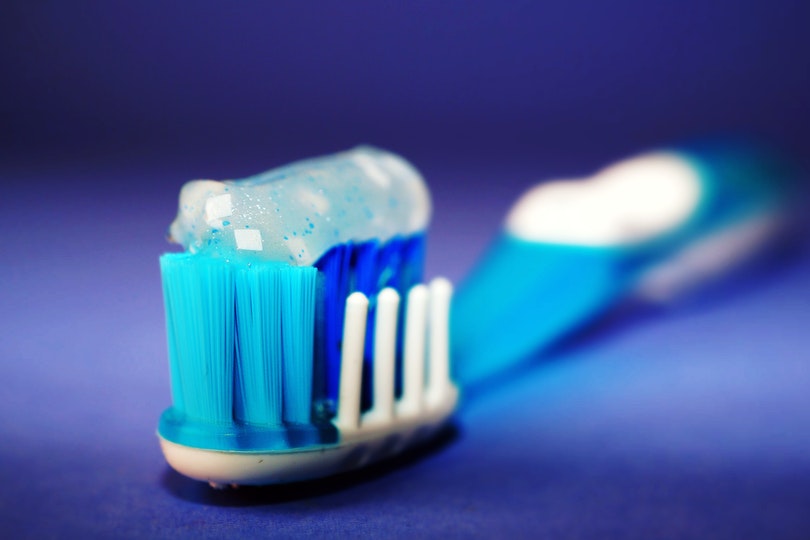
toothpaste | |
glitter bubble bath | |
abrasive cleaning products for the home, the car and for industrial cleaning (these are rare, if not absent, in New Zealand but are manufactured and sold overseas) | |
Not Banned | personal hygiene products containing natural particles, such as ground nutshells, pumice or other biodegradable materials |
products intended for medical use, as defined in New Zealand law | |
*goods that are produced in, or imported into Australia and are lawfully sold in Australia | |
microbeads, including glitter, in wipe-off products, such as cosmetic makeup | |
microbeads, including glitter, sold as a craft material |
*these goods are recognized under a trade agreement between New Zealand and Australia, the Trans-Tasman Mutual Recognition Act 1997 - note: a voluntary phasing out of plastic microbeads in Australia is underway.
Plastic microbeads accumulate in the environment and are not biodegradable. They cannot be completely removed during water treatment so they end up in the sea. Plastic microbeads are tiny and sometimes shiny and can be mistaken for food or accidentally eaten, causing harms to the health of sea animals as they can absorb and release toxins over time. Once eaten, the microbeads along with the toxins they absorb will enter the marine food chain and possibly end up in human food.
For further advice on microbeads, please contact the EPA via:
Phone: 0800 429 7827 (0800 HAZSUBS)