The European non-ferrous metals industry serves as a critical enabler of the region's renewable and digital transitions, encompassing the full value chain of essential materials such as aluminum, copper, and lithium. As critical raw materials move to the forefront of the global policy debate, the sector must navigate a complex landscape of stringent environmental regulations and intense international competition. Initiatives like the Industrial Accelerator Act aim to provide the necessary framework to ensure Europe remains a leader in sustainable metal production and technological innovation.
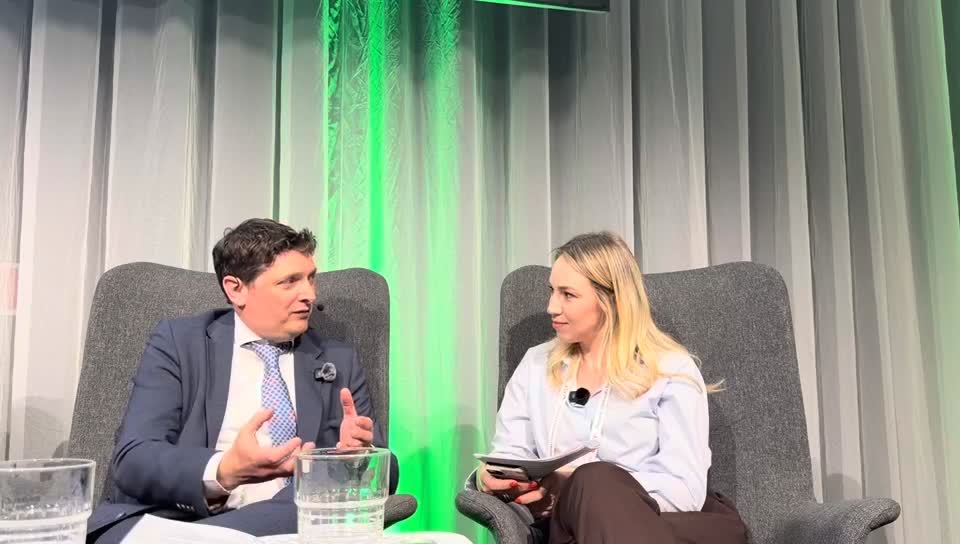
To gain deeper insights into the future of the industry, our journalist Arnola Lilaj spoke with Mr. James Watson, Representative of the European Metals Industry Association, who shared valuable perspectives on the "Made in EU" strategy, the challenges of securing domestic off-takers, and the strategic scaling of battery recycling through public-private investment.1. To start, could you explain what European Metals is? What do you stand for, how is your association organized, and what are your near-term and long-term objectives?
European Metals is the European Metals Industry Association. We represent all non-ferrous metals—meaning everything except steel, such as aluminum, copper, lithium, and zinc. Our membership spans the full value chain, from mining, processing, and refining all the way down to recycling.We represent almost all the metals classified as critical raw materials, placing us at the heart of the policy debate regarding Europe's future.
2. You mentioned that the Industrial Accelerator Act will assist in reaching these goals. Metals are at the core of the transitions Europe is pursuing, but how do we get there? Specifically regarding financing—you mentioned the US putting $2 billion on the table easily—and the challenge of market demand and lack of off-takers. How do you see Europe overcoming these issues?
In Europe, we operate in a highly regulated environment with some of the strictest environmental regulations in the world. We are proud of this because it ensures the metals we produce are the cleanest and of the highest quality.
However, off-takers globally may prioritize the cheapest metal over the cleanest. To address this, we need to move toward a "Made in EU" approach developed with like-minded partners. While the metals industry is a global business and we shouldn't be purely insular, we must develop European off-takers.
The battery business is a prime example; it is currently languishing a bit in Europe. The Industrial Accelerator Act recognizes batteries as a vital part of our present and future—they are in our phones, bags, and laptops. If Europe misses this train, we miss a huge opportunity. We need the right policy framework to make battery production viable here, which includes joint ventures with leading companies from China, Japan, or South Korea. We need to bring technology here, adapt, and ensure we remain successful rather than losing the advantages we've had in the past.
3. Is there a success story in battery recycling that gives you hope for future alignment between regulation and industry action?
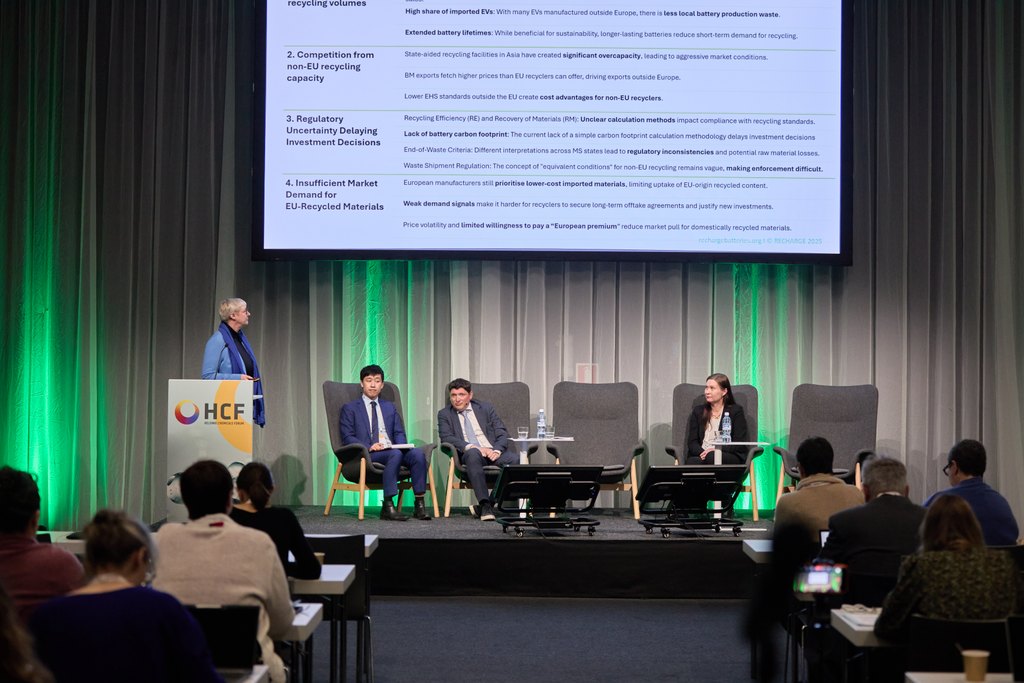
Industry generally follows where the investment goes. We are already seeing initiatives like "black mass" recycling starting in Europe. Many more industry-led initiatives are improving recycled content, such as programs for phone recycling. Some of our members are at the absolute forefront of recycling technology while adhering to all environmental requirements.
This is already a success story in development, but the challenge now is scaling up. We shouldn't just have one or two "unicorns" or plants; we need 10, 15, or 20 plants. That requires significant investment—both private and public. Typically, public money acts as a catalyst for private capital. The policy framework must not only deliver better permitting regulations but also signal clearly to investors: "Get your money into this business; this is the future where we will win.
The video clip for the exclusive interview can be accessed below:



 Request a Demo