Request a Demo
In Dec, 2018, New Zealand updated the Ozone Layer Protection Amendment Regulations 2018[1] to align with international conventions like the Montreal Protocol and its Kigali Amendment for reducing the levels of HFCs (Hydroflurocarbons) in the Earth’s atmosphere. The updated regulation imposes a new HFC import permit scheme starting in Feb, 2019. It requires a permit for import/export of bulk HFCs in New Zealand after Dec 31, 2019.
Importing bulk HFCs
"Bulk HFC" means a container of new or recycled HFC gas in an unprocessed form, alone or in a mixture. You need permits for both new and recycled bulk HFCs. HFCs within manufactured products, such as HFCs in a car air-conditioning system or in fire extinguishers are exempt.
Import permit[2] application requirements (new or recycled):
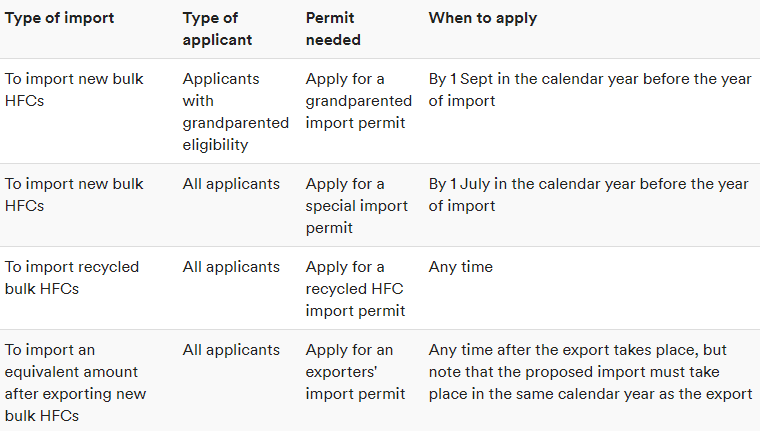
It’s worth noting that grandparented eligibility is not the same as a grandparented import permit. For people that imported HFCs in 2015, 2016 or 2017, they apply for the eligibility until March 18, 2019 and subsequent application of grandparented import permit will carry on based on the approval of eligibility.
Exporting bulk HFCs
Exporting new or recycled HFCs requires an export permit[2]. Applicants can apply for a permit from New Zealand EPA. Export permit approval can take up to 40 working days so stakeholders are advised to account for this prior to shipping.
HFCs in transit through New Zealand
All volumes of HFCs for transit purposes (within 20 days) are eligible for an exemption [2].
Note*: Grandparented permit: an import permit type for HFCs issued annually and is valid for one calendar year only. Up to 80% of imported HFCs in New Zealand are operated under this permit